Boiler
Life Assessment & Integrity Study: Units 1 & 2
Client:
AES Jordan PSC
For
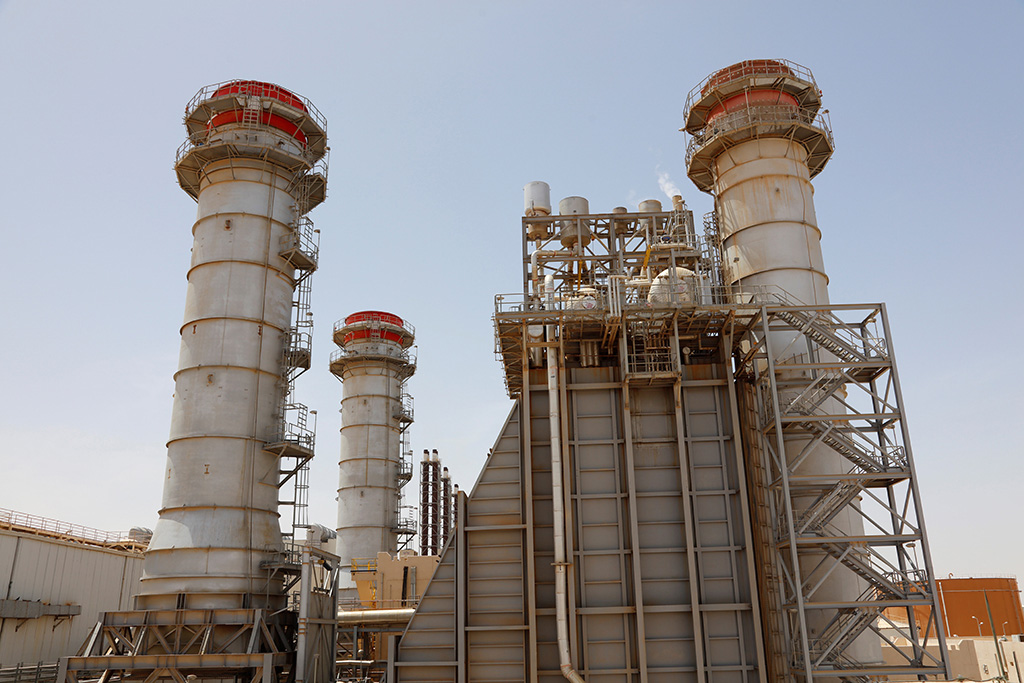
Units 1 & 2 at the AES Jordan power station, Synergy Quality Inspection
Services was commissioned to perform a comprehensive Remaining Life Assessment
(RLA). In the power generation industry, boilers are subjected to extreme
thermal cycling and high-pressure environments that inevitably lead to material
fatigue. Our mission was to provide a data-driven "health check" to
ensure these units could continue to meet national energy demands without the
risk of catastrophic failure or unscheduled outages.
The
Technical Execution: A Multi-Layered Approach
To
build a complete profile of the boilers' structural health, our team deployed a
sophisticated inspection regimen designed to catch both surface-level and
internal degradation:
*
Precision Corrosion Mapping (UTT): Rather than taking random samples, we
performed systematic Ultrasonic Thickness Testing across the boiler’s pressure
parts. This allowed us to generate a detailed "topography" of the
metal, identifying specific zones of thinning caused by fly-ash erosion and
high-temperature oxidation. This data is critical for calculating the precise
remaining wall life of the tubes.
*
Magnetic Particle Testing (MT): We focused our MT efforts on high-stress weld
joints and headers. By utilizing electromagnetic yokes, we were able to detect
microscopic thermal fatigue cracks that are invisible to the eye but can
propagate into major leaks under the intense pressure of power operations.
*
Expert Visual Testing (VT): Our certified inspectors conducted a full-scale
internal and external audit, looking for signs of overheating, structural
sagging, and insulation breakdown.
The
Strategic Impact
The
result of this study was more than just a list of findings; it was a strategic
asset for AES Jordan. By providing a clear "Corrosion Map" and
integrity report, Synergy empowered the client to move from a reactive
maintenance model to a proactive, predictive one.
Our
findings allowed for the pinpointing of exactly which components required
immediate replacement and which could safely remain in service until the next
scheduled outage. This precision reduced unnecessary maintenance costs while
significantly bolstering the plant's operational safety and reliability.
Ultimately, Synergy’s assessment provided the technical confidence needed to
continue high-output energy production with a minimized risk profile.